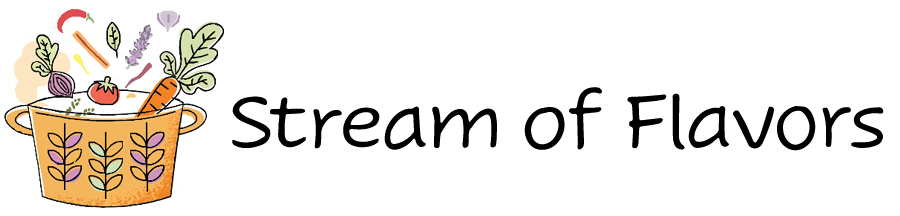
Pad Kee Mao is a fried noodle dish from Thailand that uses wide rice noodles, vegetables, and chicken or shrimp with a mixture of sauces. They are popularly known as Drunken Noodles, and I have heard that these noodles are made so hot that people usually chug down a drink while eating them. The noodles are not made with any alcohol whatsoever.
Noodles of any cuisine are some of my favorite dishes, especially fried noodles. Thai food appeals to me because of their equilibrium of sweet, sour, and heat to give their dishes a balance, instead of a linear taste. My trips to Thailand’s capital city of Bangkok have intrigued me with their delectable cuisine. I have had the chance to wander through the streets of Bangkok where I have savored street vendors making noodles the way you like them. I found the method that they used to be akin to Singapore/Malaysian cooking where a hot wok was the key to the flavor. Having had experience making Malaysian cuisine, it has been relatively easy for me to latch on to Thai cooking. Some of our favorite Thai restaurants that serve Pad Kee Mao have used a variety of vegetables and shrimp. I have elected to use shrimp because I think that it adds more flavor to the noodles when paired with Thai basil that enhances the flavor.
Description of ingredients and equipment:
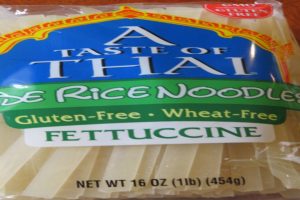
Flat rice noodle: I have attached a picture of the flat rice noodle that I used for this recipe. I keep a stock of dried noodles in my pantry just in case I do not get the fresh ones. The wide fresh rice noodles can be purchased at any Asian grocery store. For those who would like to make these noodles, you can use the dried ones instead.
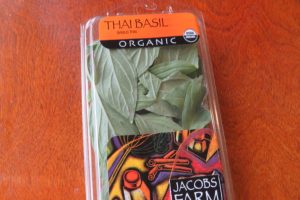
Thai basil or the Thai Holy Basil: From my understanding of having grown them in my herb garden, you could use either one depending on the availability, although they both have very distinct flavors. The Italian basil or the Indian Holy basil will not work well for this dish but you could use the Italian one if you absolutely cannot find the Thai variety.
Thai chilis: The Thai chilis I have used here are the more common type that are thin and long. If you like your dishes mild, then lower the spice index a notch from my recommendation in the recipe card.
Zucchini and pepper: Zucchini is a type of squash that is called courgette in the UK. These two vegetables complement each other in this noodle dish. But you could use any leftover vegetables for the stir-fry.
Tofu: I like to buy tofu that is firm and add it to my noodle dishes because of its high soy protein content. I make it a point to include tofu at least once a week in my cooking.
Sauces: Since Thai cooking is a part of my regular menu, I always have fish sauce, oyster sauce, soy sauce, chili garlic sauce, etc. If you want to make this dish, then you must buy all these sauces before hand from the Asian section in grocery stores.
Wok: A wok is generally used for making noodles but you could use any other cast iron wok or anodized pan.
Pad Kee Mao
Equipment
- Wok
Ingredients
For the Pad Kee Mao noodles:
- 1 pound Thai wide rice noodles dried
- ½ pound shrimp de-veined
- 2 bunches Thai basil
- 3 red chilies de-seeded, minced fine
- 1 onion julienne cut
- 4 cloves garlic minced
- ⅓ tsp ginger minced
- 1 pepper julienne cut
- 1 zucchini julienne cut
- 1 pack firm tofu julienne cut
For the sauce:
- 1 tsp fish sauce
- 3 tbsp oyster sauce
- 3 tbsp dark soy sauce
- 1 tsp chili garlic sauce
- 2 tsp dark brown sugar
- ½ tsp white pepper powder
- 1 tbsp soy sauce
Instructions
How to make Pad Kee Mao:
- Soak the noodles in hot water from the kitchen faucet for 45 minutes (or follow the instructions on the package).
- Heat the wok till hot, then add a tablespoon of peanut oil (or any vegetable oil will suffice) and a pinch of salt. Cut the tofu into strips, and fry them in the wok (for 3-4 minutes) and push them to one side of the wok.
- Add another two tablespoons of oil, and sauté the shrimp for 4 minutes. Push them to a side on the wok.
- Sauté the minced garlic, ginger, and chilis for a few seconds.
- Add a tablespoon of oil and onions, toss, and then add basil leaves, zucchini, and pepper.
- Drain the noodles (separate them if stuck together) and add the sauces.
- Toss and mix with long chop sticks or wooden ladle or long tongs.
- Serve hot and garnish with basil and spring onions.
Notes
- Wok must be hot. Use a long spatula so that the spluttering oil will not burn your fingers.
- Season each batch of ingredients one after the other.
- Add a tablespoon of oil only when the ingredients seem to be sticking to the wok.
- Scrape bottom of wok while tossing and add a tablespoon of water to “clean” the wok and give the noodles a little moisture.
- Add a few more basil at the end for aroma and flavor.
- Do not oversoak the noodles or they will break into pieces while cooking. Try to drain them a few minutes before the recommended time on the instructions or at the al dente stage.
- Keep in mind that while stir frying the veggies, stir fry quickly otherwise the veggies will get soggy. What you want is crispy veggies in noodles as they will continue cooking in the heat of the cooked noodles.
- Pad Kee Mao will keep for another day in the refrigerator. But it keeps well in the freezer if you have a lot of leftover. As with all fried noodles, frozen Pad Kee Mao must be thawed and re-fried again in a wok with a little oil.
Nutrition


0 Comments