
Nothing is quite so British as serving Victoria Sandwich Cake with afternoon tea. But I also doubt there is any cake that has caused as much debate. While the idea of the sponge cake goes back to the Renaissance, it was not until Alfred Bird invented baking powder in 1843 that the modern puffy and light version of the sponge was possible. Queen Victoria is said to have loved a slice of this cake with her afternoon tea and hence the name. But even so, the debates rage: self-rising flour or plain flour leavened with baking powder? Butter cream or whipped cream? Butter or Margarine? Jams, jellies, or berries?
Every fair or public gathering in England have featured the Victoria Sandwich Cake. It is a light and fluffy cake made with butter, eggs, self-rising flour, and sugar, and jam is sandwiched between two layers of cake. There are other versions of this cake where some have made it more like a sponge cake with additional baking powder, while others incorporate various methods and ingredients. For instance, I know that some bakers like to add vanilla essence or measure the ingredients using cups.
While living in England, I learned from my English friends that the traditional way to make Victoria sandwich was to equalize the weight of the eggs to the weight of the self-rising flour, sugar, and butter. Some of my friends were seniors who were known for their baking skills, and I learned some key techniques from them that I wanted to give it a go at home. I have tried to perfect this cake in terms of its texture and consistency. I am now quite happy with this recipe.
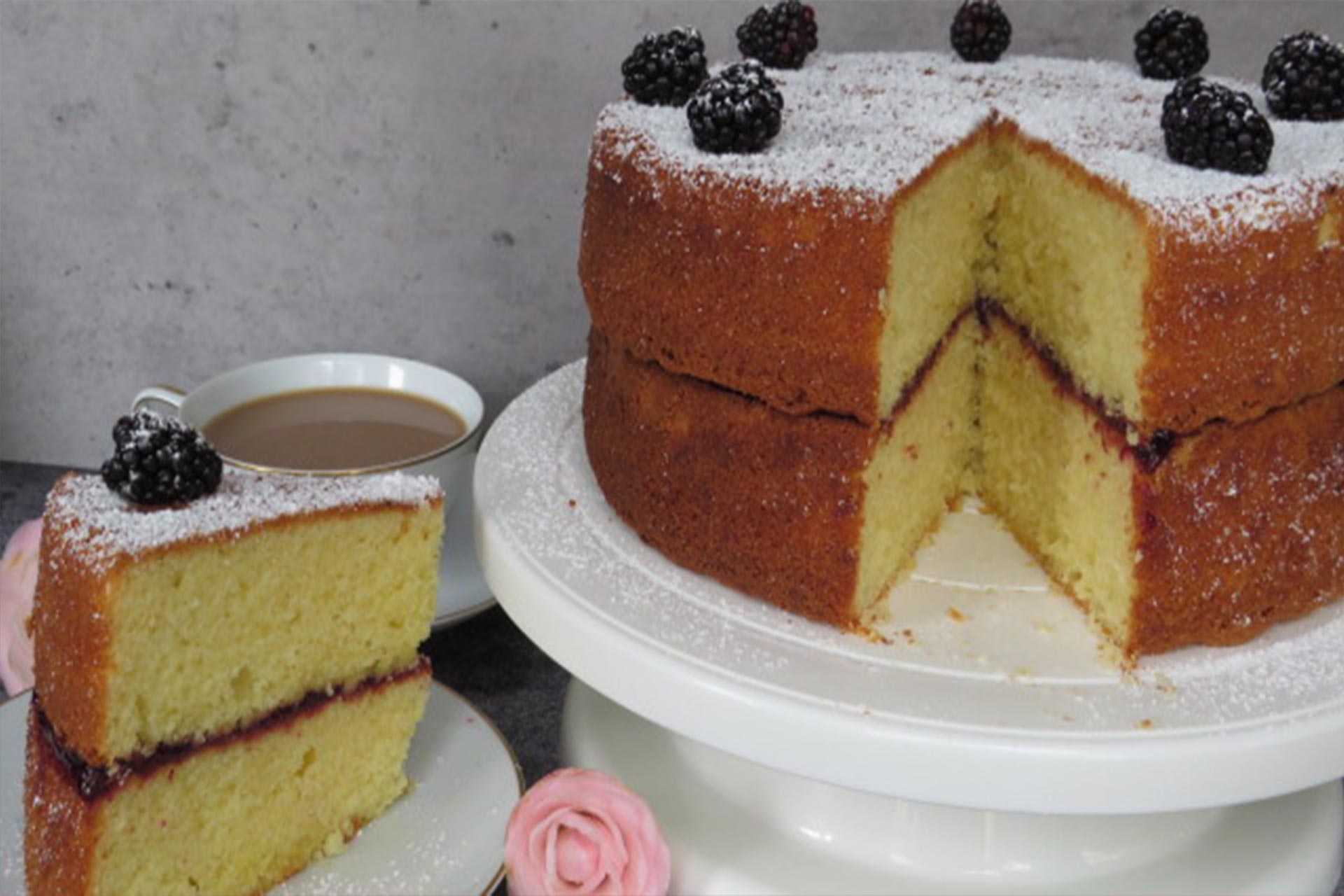
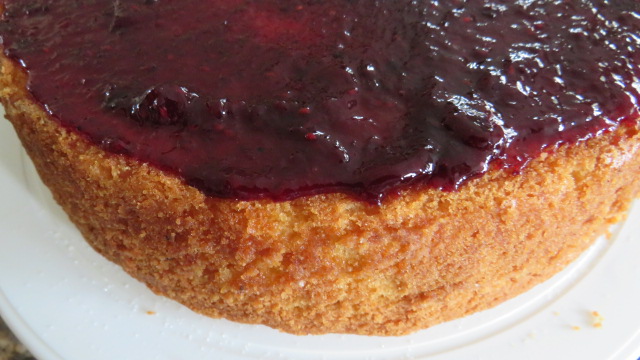
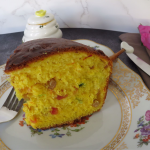
Victoria sandwich and Victoria sponge cake are both the same because it is about making two layers of sponge cake and sandwiching them with raspberry jam. For the filling, most bakers prefer to use jam and cream or buttercream. I have found over several trials that the cake is rich and moist in and of itself and sandwiching with jam sufficed. This not only cut back on the calories but also made for a filling teatime snack. I have used blackberry jam and dusted the cake with icing sugar.
Although it seems like a basic cake and quite simple, it took me several trials over the years to get it right. Measurements must be extremely accurate, and each step must leave the batter fluffy and light. The cake must be baked in an oven which has even heating. Every step in the method and addition of each ingredients has a certain timing. This cake can be used as the base for birthday cakes. It holds the buttercream on top without caving in. I never use readymade cake mixes to make cakes. The taste of homemade cakes and the satisfaction or elation you get out of it is well worth the effort. If you try this cake, I am sure that you will find it to be the BEST Victoria sandwich cake! Happy baking!
Victoria Sandwich Cake
Equipment
- Cake Mixer
Ingredients
For the cake layers:
- 3 eggs
- 6 ounces self-rising flour
- 6 ounces unsalted butter
- 6 ounces caster sugar
- 2 tbsp whole milk
For the filling and dredging:
- 1 tbsp icing sugar
- 3 tbsp blackberry jam
Instructions
How to make the cake layers:
- Pre-heat oven to 3500F. Line two 9” baking tins with wax paper cut for the base.
- Cream butter for 5 minutes. Then, add the sugar little by little and beat until light and fluffy for approximately 15 minutes on speed 8. It depends on the speed of your cake mixer. If it is on high speed, then you can reduce the time. Scrape down the butter mixture occasionally to ensure that all the sugar has been beaten evenly.
- Add the eggs one at a time and beat thoroughly between additions for 10 minutes.
- Sift the flour and add it slowly to the egg mixture and fold it in.
- Alternate between milk and flour and gently fold the flour in. The mixture must have a dropping consistency but not too runny.
- Pour the contents into two prepared tins. Using a spatula, smoothen the top of the mixture evenly.
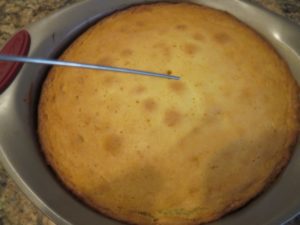
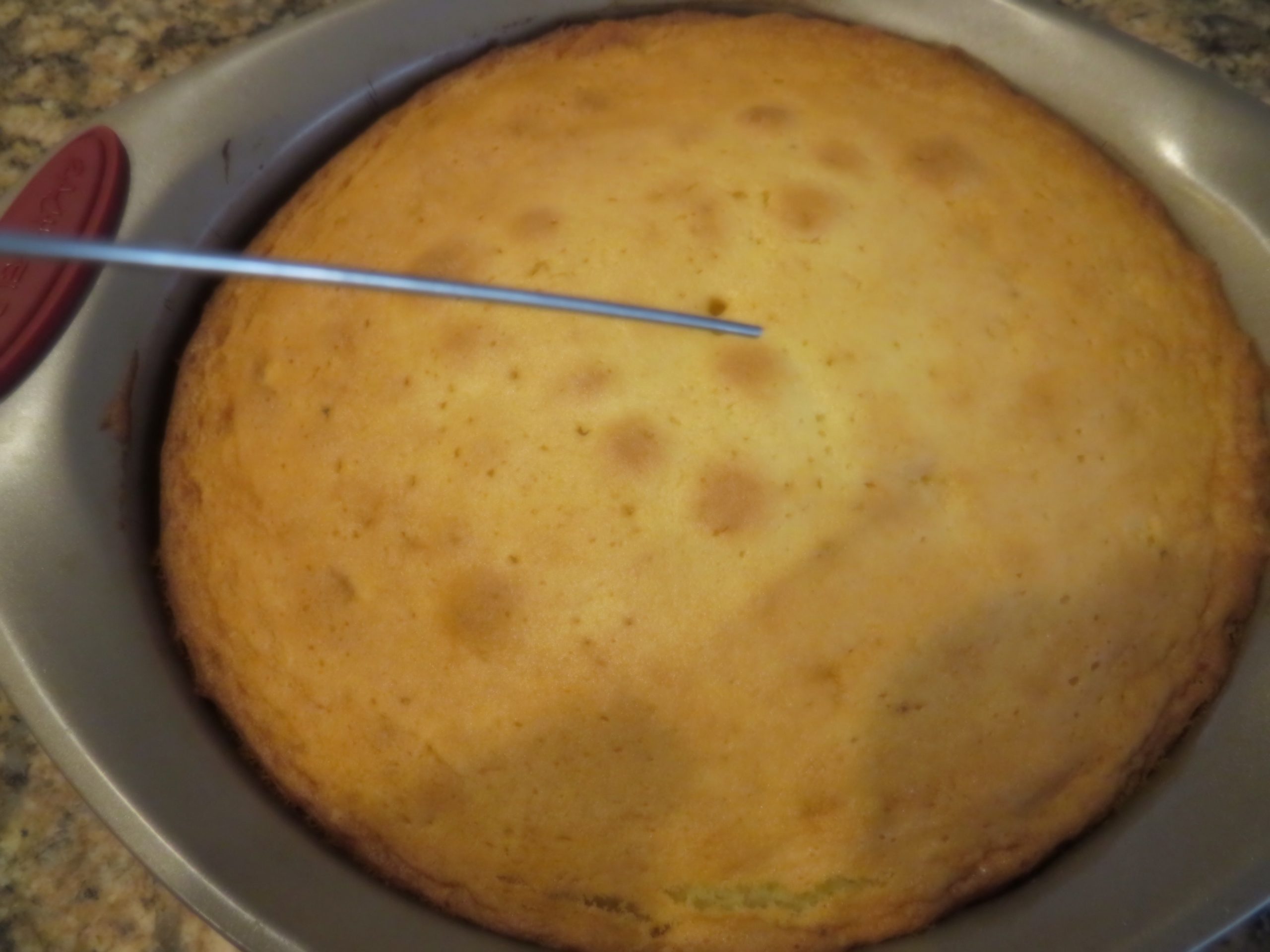
- Bake in the oven for 25 minutes or until a cake tester comes out clean.
- Cool the sandwiches on a wire rack for 10 minutes.
How to assemble the sandwiches:
- Loosen the edges of the cake using a butter knife. Carefully invert the top of the cake tin onto a cake stand.
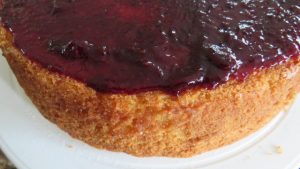
- Spread the jam evenly and then put the other half of the cake on top.
- Dredge with icing sugar and garnish with blackberries. Slice with a serrated knife and enjoy with a hot cup of Earl grey tea or English breakfast.
Notes
- Loosen the edges of the cakes with a butter knife. To turn the sponge on to a cake stand, spread a kitchen cloth towel or a tea towel in your hand, and then turn the tin upside down on to the kitchen towel. The cake will gently slide off the tin, which you can then place on a stand. Gently, peel off the baking paper. Alternatively, place the cake stand on top of the cake tin and invert gently after loosening the edges of the cake.
- Smoothen the tops of the cake with a palette knife after pouring into the tins.
- Victoria sandwich cake can be made ahead of time and frozen in an airtight box. Freshly baked cakes can be stored in an airtight box for two weeks in the pantry. But if you live in a tropical region, you must refrigerate them.
Nutrition






0 Comments